A shot is defined as a short, continuous single run of the film. A scene is composed of numerous shots cut, and they are joined together. A scene can be anything that the director wants it to be, such as someone entering a room, having a conversation with a person in the room, and then leaving the room. A sequence is a number of scenes joined together that could be a large percentage of the movie when it is finished.
To make films
first learn the ART of FILM Making
Defines edit as “to prepare (motion-picture film, video, or magnetic tape) by deleting, arranging, and splicing, by synchronizing the sound record with the film, etc.”
One way to define editing is to use the formula: Shot < Scene < Sequence = Editing.
Editors hold one of the most critical roles in the filmmaking industry, and are key collaborators in the filmmaking process. Many of cinema’s most prolific directors work with the same editor over their entire careers. Filmmakers rely on an editor’s storytelling and digital editing skills to complete and polish their films. Editors are not just limited to the film industry; they work in many areas of media, including news, documentaries, television, and web series.
Editors hold one of the most critical roles in the filmmaking industry, and are key collaborators in the filmmaking process. Many of cinema’s most prolific directors work with the same editor over their entire careers. Filmmakers rely on an editor’s storytelling and digital editing skills to complete and polish their films. Editors are not just limited to the film industry; they work in many areas of media, including news, documentaries, television, and web series.
The movie editing process goes through stages, similar to writing a college term paper. Writing a college term paper consists of getting an idea, writing the rough draft, doing a revision, and then creating the final version. An editor, too, goes through four stages: logging and assembly, the first rough cut, the main edit, and the fine cut. This editing process is only an example of the procedure because every movie editor, like anyone, has his or her own procedure or routine that he or she follows.
The fine cut is the process of getting down to perfect frame accuracy for every single edit in the film and making sure that each moment flows as best it can. Once the fine cut is approved, the picture is considered “locked” and no further changes will occur. The project will move into full sound post-production and the editor’s work is done.
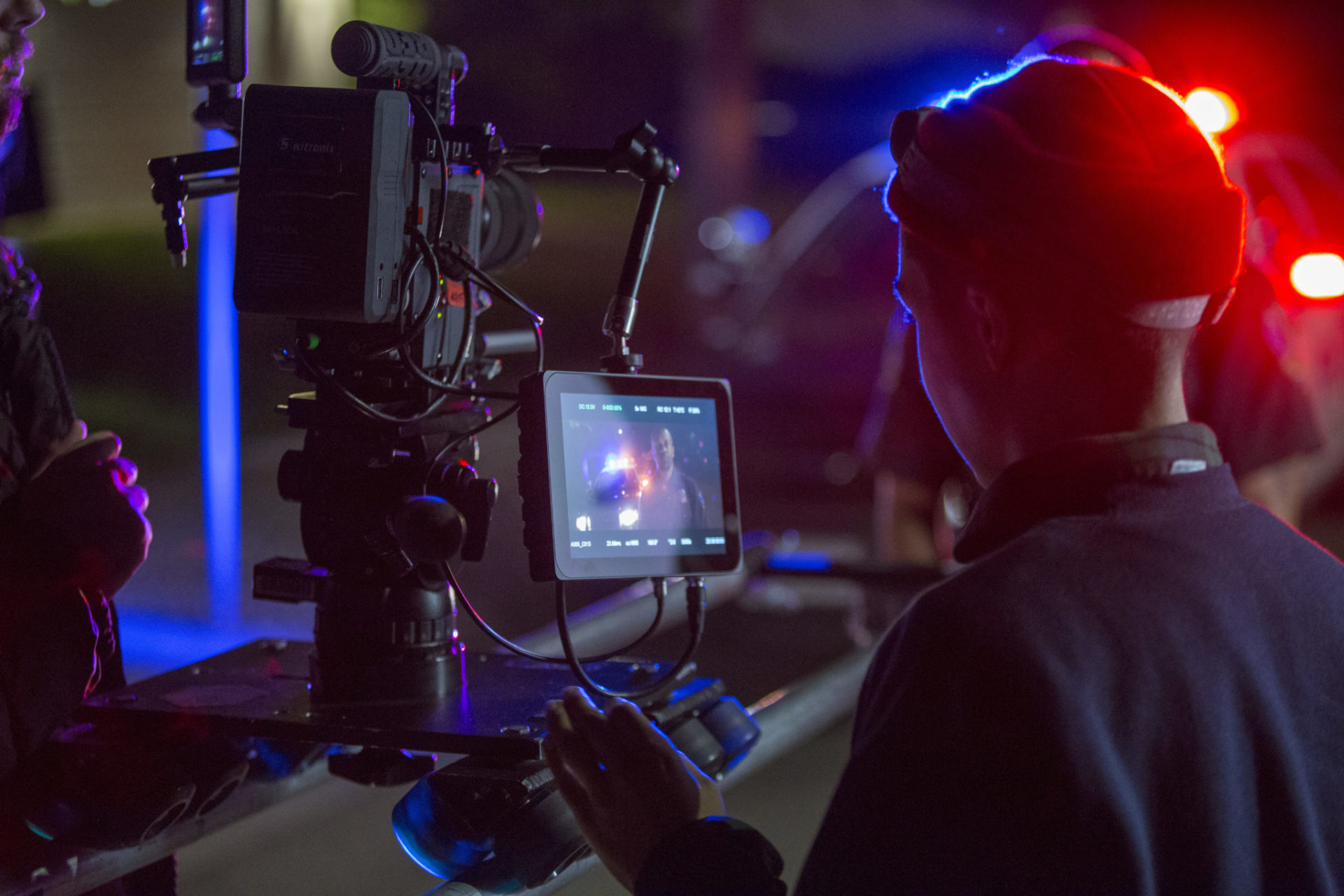
Primarily involved in the post-production stage, you are responsible for editing and cutting content to create the final product. Dive into careers in:
- Color Timing or Visual Effects
- Green Screen and Composite Editing
- Sound and Music Editing