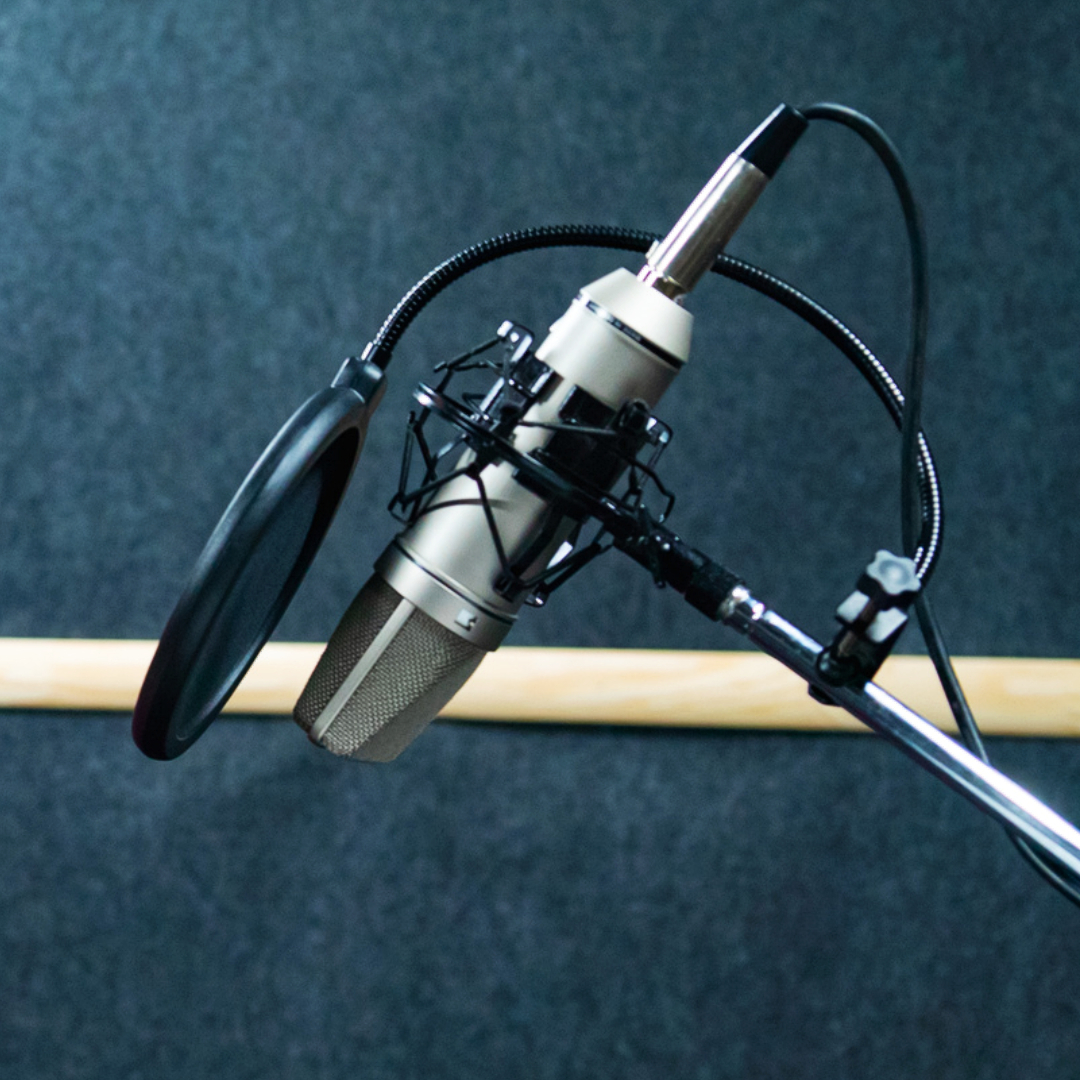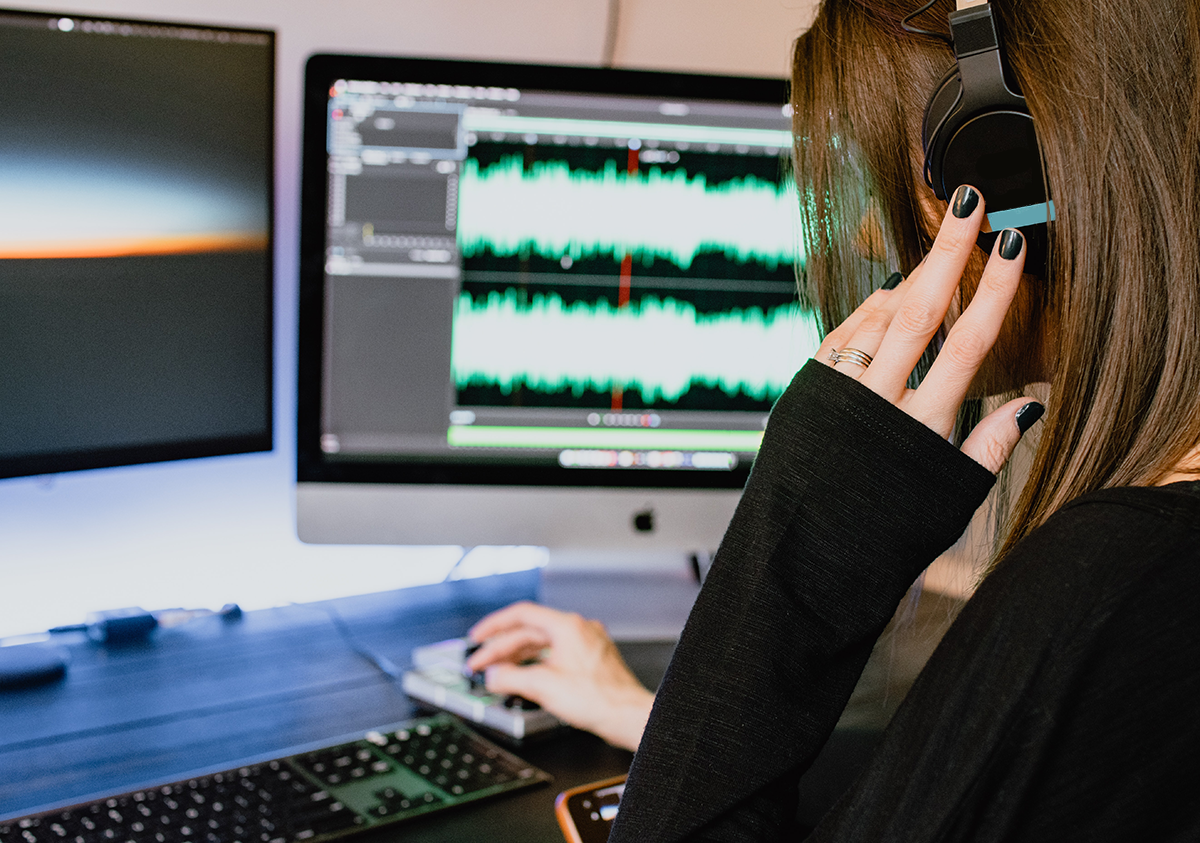
Voice Over – The voice of a female or male voice artiste recorded using a high-quality condenser microphone in an acoustic professional studio with a soundproofed booth for both broadcast and non-broadcast media for ad spots, commercials, documentary and all kinds of narration including IVR, e-learning, corporate videos, and tutorials. For TVCs and spots, it is usually recorded after the video or film is created using a script and timed to the video and visuals.
Dubbing in a Film
The magic of audio dubbing lets us watch and enjoy shows that were originally produced in other languages. Audio dubbing is very common for international movies and TV show releases and even advertisements. Audio dubbing is also a great option for those who would rather not read subtitles the entire movie or show.
An editor also might dub the audio when the original audio from filming isn't usable. In both instances, the new audio must be mixed with the other audio tracks so that it doesn't take away from the film.
Audio dubbing can save a scene if used correctly. Have the actor rerecord the audio with the same timing and emotion so that you can mix it into the audio track.
The difference between dubbing and voice over
A voice-over is an audio dialogue recorded apart from the image on the screen. A voice-over typically describes what is happening on screen or narrates some sort of story.
This is different from an audio-dubbed track because an audio-dubbed track directly correlates with dialogue from on-screen actors. The person narrating the voice-over doesn't have to be seen on-screen at all.
This is different from an audio-dubbed track because an audio-dubbed track directly correlates with dialogue from on-screen actors. The person narrating the voice-over doesn't have to be seen on-screen at all.
Voice Acting – When a Voice Artiste uses his or her voice modulation, inflection, intonation and impersonation skills to change up accent, pitch and disguise their natural speaking voice and manner to bring unique characters alive it is called voice acting. It’s a creative process and requires keen observation skills, memory and mimicry skills to pull off good voice acting. For animated shorts or films, it is usually recorded before the animation is produced. In fact, animators use the energy and expression in the voice to animate authentic emotion on screen.
Dubbing – When a voice artiste dubs or voices over for the lead or supporting actors in a film, animated movie or TV series in their native language, dialect or local accent so that the film, video, series can be syndicated or licensed to play or are released in other markets other than the original country of creation.This is a very specific skill, as it requires lip-synching in a language, which might need more words or fewer words to express the same sentiment. It has to be very precise and keen observation skills are needed to match not only the acting, emotion, and intonation exactly but the movement of lips especially for close up shots. Both the voice actor and the sound engineer handling the dubbing project need to be very skilled.